At the intersection of landscape, memory, and making, Charu – founded by Wuzhi – unfolds as both a creative platform and a space of cultural transmission. Drawing from the Tibetan plateau, its work spans photography, handcrafted objects, and design practices grounded in place. Yitso Hima, its Himalayan jewelry line, extends this vision into wearable pieces that carry traces of environment, belief, and lived experience.
Your creations seem deeply rooted in Tibetan culture. How does Yitso Hima approach the transmission of ancestral knowledge and symbolism in a contemporary world?
I would like to begin by outlining the two main product lines of Yitso.
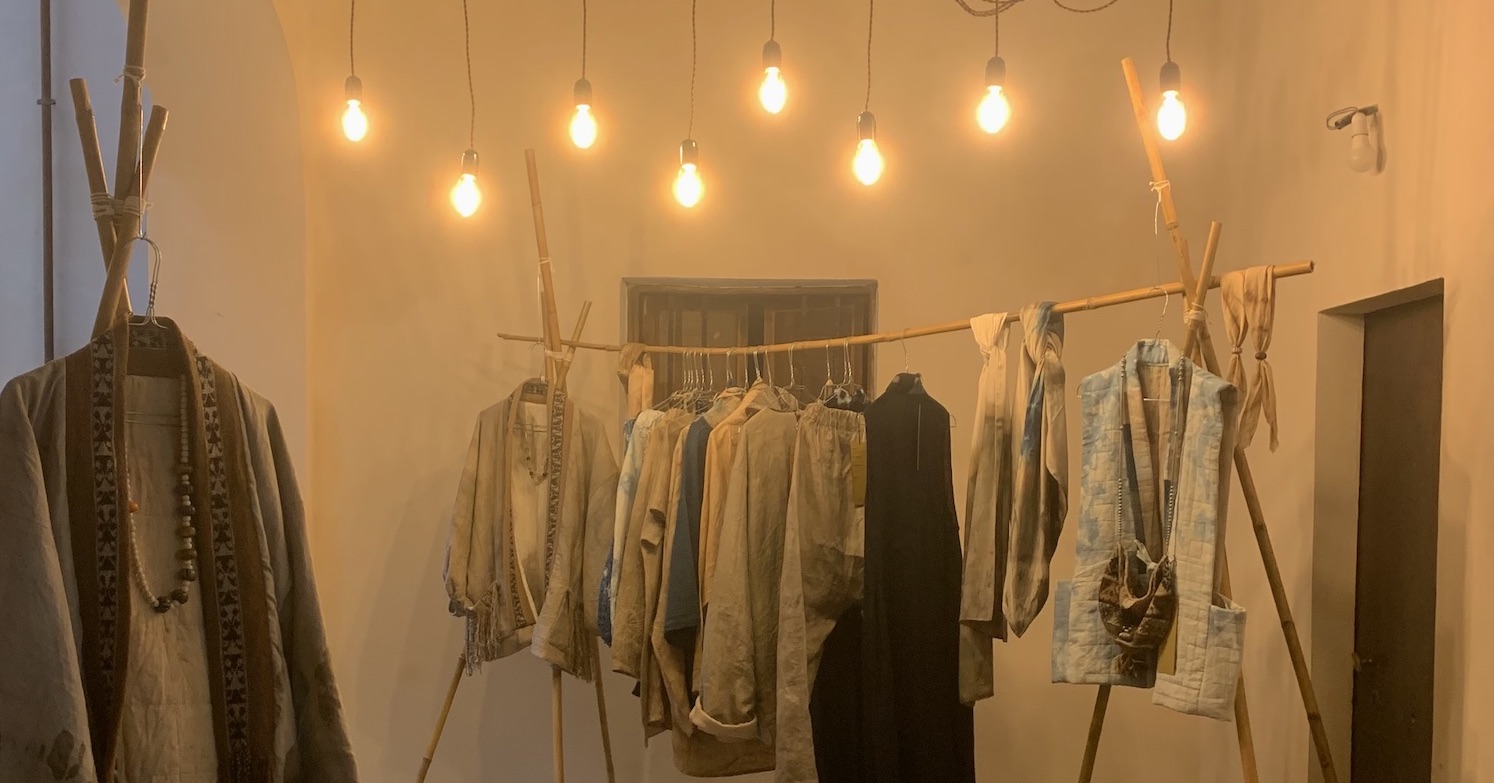
One is our line of locally rooted handicrafts, entirely made in Tibetan regions by Tibetan artisans. We have established three craft production lines : Tibetan rugs, black pottery, and textiles. Two of the workshops are based in Yulshul, in Kham.
The other is the “Yitso” jewelry line, primarily produced in urban settings. Through jewelry, we support the sustainability of these handicraft practices, as such workshops require long-term commitment and are rarely profitable in the short term. At the same time, jewelry allows us to interpret the sacred natural realm through another language.
Like many civilizations, today’s nomads continue to protect what remains, working with their hands against the steady passage of time.
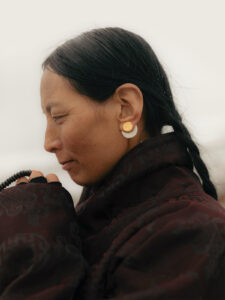
What we seek is to reconnect what is slowly being lost:
to bring craft training into pastoral areas, so that traditions may continue to be seen;
to allow these techniques to travel beyond the plateau, without losing their origin.
When sacred mountains, lakes, water sources, or snow leopards are translated into design, they are not simply cultural elements removed from context.
They point back to the people behind them, those who often remain unseen. Their beliefs, their endurance.
Nature appears to be a central source of inspiration in your work. How do landscapes, elements, and natural cycles shape your designs and creative philosophy?
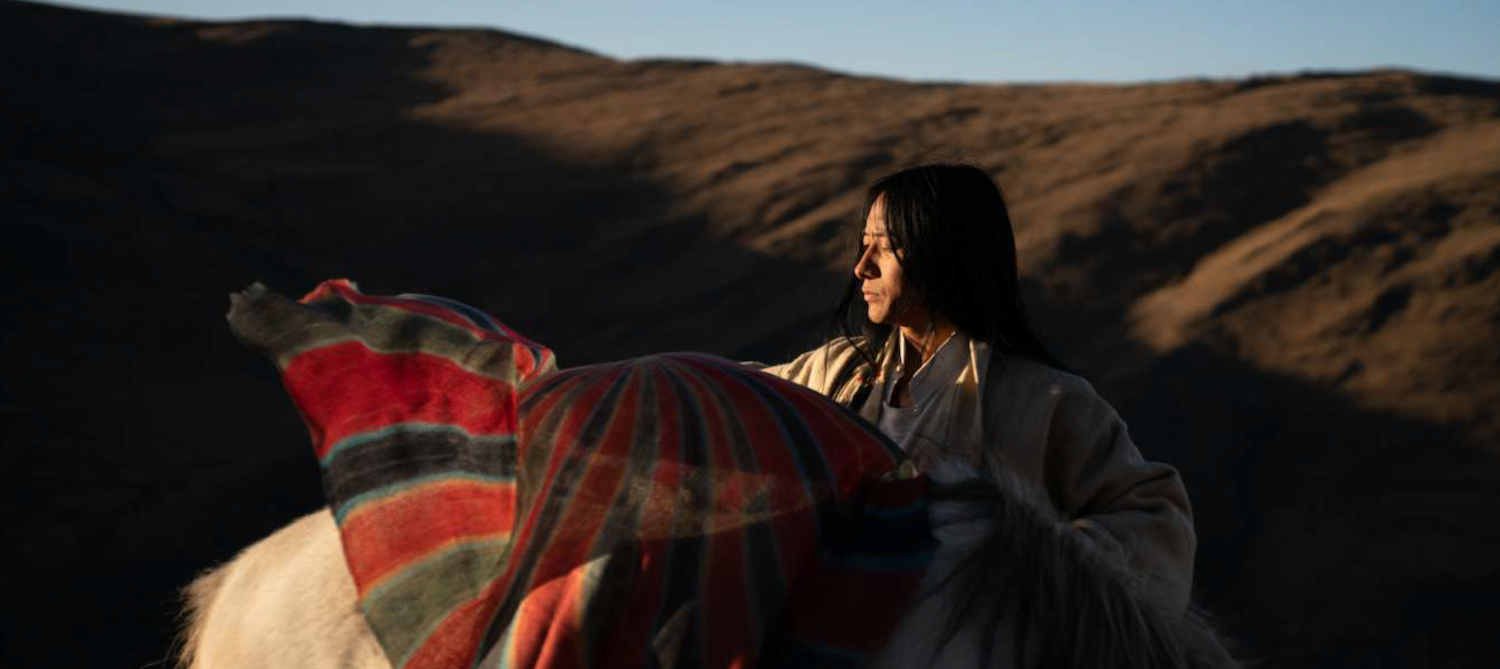
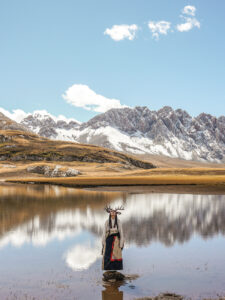
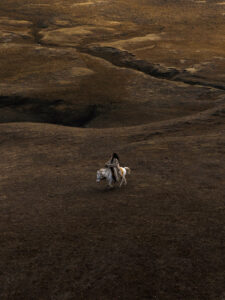
The region in which we work is singular, the Source of the Three Rivers. It is also one of the highest regions on the Tibetan Plateau. For much of history, Yulshul remained largely untouched by external civilizations.
Vast grasslands and remote mountains define the landscape, which is also among the richest in wildlife. The French documentary La Panthère des neiges (The Velvet Queen) was filmed here.
When people think of Tibet, they often think of Buddhism. But long before its arrival, there was Bön, the land’s indigenous belief system.

Sacred mountains, sacred lakes, and the understanding that all things possess spirit lie at the heart of this worldview.
Water, in particular, holds profound meaning. It is not only water, but also a deity, imbued with mythology, power, and reverence.
These sources of water are interwoven with Tibetan life, present in ritual, in nomadic movement, in agriculture.
They are treated as living beings, and this reverence becomes a form of protection.
Nomads here are not “in harmony with nature.”
They are part of it.
The sacred landscape shaped by mountains and lakes, together with a deep compassion for all beings, is where our inspiration emerges.
Nature cannot be replicated.
Before it, we remain small.
Many of your pieces evoke a sense of the sacred feminine. What does the concept of the “sacred feminine” mean to you, and how is it expressed through your collections?
We have never intentionally constructed the idea of the “sacred feminine.”
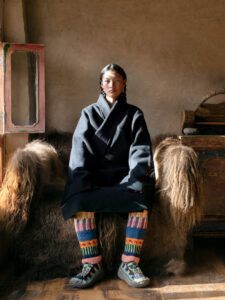
Yet anyone who has truly lived in high-altitude regions cannot help but be moved by the resilience of the women there.
They rise before dawn in winter to milk and fetch water.
They herd alone through snowstorms, while caring for children.
They rarely speak of themselves, quietly carrying the weight of the household.
They rarely stop.
They may not be “sacred”, but I would describe them in three words: vast, grounded, clear.
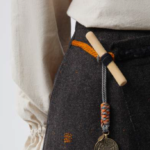
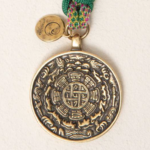

We do not deliberately emphasize gender. Yet in our designs, we sometimes reinterpret adornments or ways of wearing once reserved for men or nobility—for instance, a single earring worn on the left ear—now reimagined through women.
We also created a “Rainbow” series as a tribute to Tibetan women.
Even in the harshest environments, they carry an undeniable brightness. Their love of intense color is never concealed, it moves beyond aesthetics.
All of this enters our design language.
It is not softness, but a form of strength.
Beyond aesthetics, your accessories feel like objects of intention or ritual. How do spirituality and mindfulness influence your creative process and the energy you wish each piece to carry?
Just as sacred lakes must not be polluted, sacred mountains must not be climbed, water sources must be protected, and animals must not be killed without reason—
we remain constantly aware of boundaries.
What may be transformed, and what must remain as it is.
What may be taken, and what should never be consumed.
This is both belief and daily order in Tibetan life.
As believers ourselves, faith is deeply internal. Yet we do not seek to impose it.
Instead, this sense of order gradually finds its way into our design.

We search carefully for points of resonance, translating mindfulness and spirituality into a restrained visual language and quiet narratives.
Through a subtle sense of ritual, we hope to bring people closer to the everyday life of the Himalayas.
But never through over-interpretation.
To commodify belief is a line we do not cross.
It must remain sincere.
And quiet.
As the founder, you bring a unique vision to the brand. Can you share more about her personal journey and how it has shaped Yitso Hima’s identity and values?
This brand has never been shaped by a single individual.
As we often say:
we are not one, but millions.
We come from Amdo, Yulshul, Beijing, Lhasa, Chengdu, and the Gyarong regions.
In 2016, our core team was deeply moved by the stories of local environmental protectors in the Source of the Three Rivers, in Yulshul, and chose to remain.
My husband is from Yulshul, a former nomad, now an environmental practitioner. He is part of a grassroots Tibetan environmental group that has spent more than twenty years protecting water sources and wildlife, almost entirely without pay.
They continue because they understand that the rivers here flow downstream, sustaining countless lives.
And so, we chose to stay.
Through sustainable handicrafts, we support their ability to continue protecting their land.
The creation of “Yitso” is also, in part, a way of sustaining these efforts.
Every piece we create is connected to these nomadic communities.
Their stories deserve to endure.
Words : Wuzhi / Anne-Sophie Castro
Photos : Yitso Hima
More stories on ancestral knowledge and gestures in our magazine